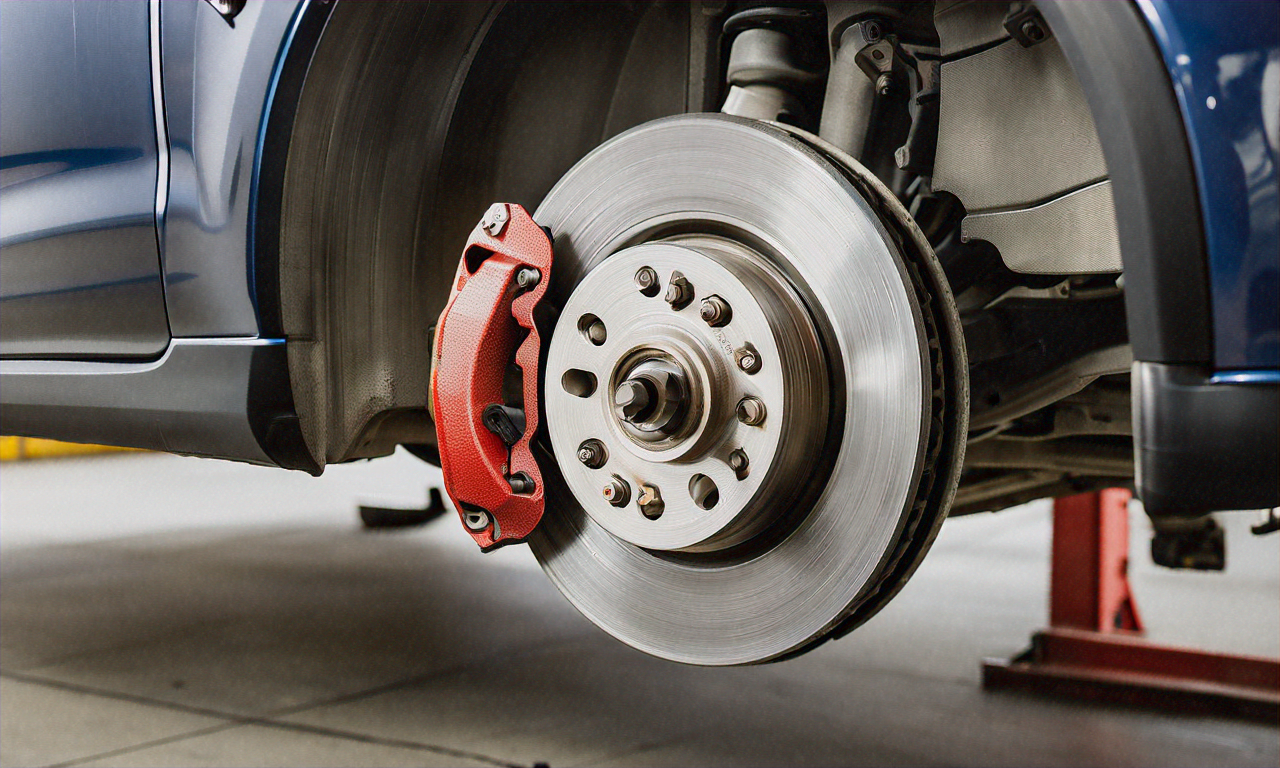
5 Warning Signs Your Brakes Need Immediate Attention (Don't Ignore #3)
Your brakes are the single most important safety system on your vehicle. Yet most drivers only think about them when something already feels wrong — and by that point, a small fix may have turned into a costly repair. The good news? Your car almost always gives you warning signs before things get serious.
At Precision Auto, we've been helping Raleigh drivers stay safe on the road since 2011, and we see the same brake issues over and over — most of which could have been caught (and fixed cheaply) much sooner. Here's what to watch for.
---
Warning Sign #1: Squealing or Squeaking Noises When You Brake
That high-pitched squeal you hear when slowing down? It's not random. Brake pads are actually designed to make that sound. Most pads have a small metal wear indicator built in — when the pad wears down to a certain thickness, that indicator scrapes against the rotor and produces that unmistakable squeak.
Think of it as your car's built-in alarm system. When you hear it:
- Don't panic, but don't ignore it either
- Plan to have your brakes inspected within the next week or two
- Avoid waiting until the squealing becomes grinding (more on that next)
What it usually means:
Your brake pads are getting low and likely need replacement soon. This is typically one of the least expensive brake repairs — catching it at this stage keeps it that way.
---
Warning Sign #2: Grinding or Metal-on-Metal Sounds
If squealing is your car asking for attention, grinding is your car demanding it. A harsh grinding or growling sound when you apply the brakes usually means the pads have worn completely through, and now metal is grinding directly against your rotors.
This is where costs escalate quickly. What might have been a straightforward pad replacement can now require rotor resurfacing or full rotor replacement — sometimes even caliper damage if it's been going on long enough.
- Stop driving the vehicle if the grinding is severe
- Have the car towed or drive it directly to a shop — don't put it off
- Expect a more involved repair, but get a written estimate before any work begins (we always provide one)
---
Warning Sign #3: Your Steering Wheel Pulls to One Side When Braking ⚠️
This one catches a lot of drivers off guard — and it's the one we most often see cause accidents.
If your car drifts or pulls noticeably to the left or right when you press the brake pedal, that's a sign your brakes are applying unevenly. Common causes include:
- A stuck brake caliper — one side is braking harder than the other
- Uneven brake pad wear — one side is more worn than the other
- A collapsed brake hose — restricting fluid flow to one caliper
Why is this so dangerous? Because in an emergency stop, that pull becomes dramatically more pronounced. You could lose control of your vehicle at highway speeds.
Don't chalk this up to wheel alignment or tire pressure (though those should be checked too). Have your brakes inspected right away.
---
Warning Sign #4: A Soft, Spongy, or Sinking Brake Pedal
Your brake pedal should feel firm and responsive. If it feels soft or spongy under your foot — or if it sinks all the way to the floor before the brakes engage — that's a serious hydraulic issue.
Possible culprits include:
- Air in the brake lines — often fixed with a brake fluid flush and bleed
- A brake fluid leak — look for a small puddle under your car near the wheels
- A failing master cylinder — the heart of your entire braking system
In 2026, we're also seeing this issue more frequently in older vehicles that haven't had their brake fluid changed on schedule. Brake fluid is hygroscopic — it absorbs moisture over time, which lowers its boiling point and can cause spongy pedal feel. Most manufacturers recommend flushing brake fluid every 2–3 years.
Quick self-check:
Park on a flat surface, press the brake pedal firmly and hold it for 30 seconds. If it slowly sinks toward the floor, get your car in for service immediately.
---
Warning Sign #5: Vibration or Pulsing Through the Pedal or Steering Wheel
Do you feel a rhythmic shudder or vibration when you apply the brakes — especially at highway speeds? This is almost always a sign of warped brake rotors.
Rotors can warp from:
- Repeated hard braking (like mountain driving or towing)
- Overheating followed by rapid cooling
- Normal wear over time, especially past 70,000 miles
Warped rotors don't just feel uncomfortable — they reduce your braking effectiveness, meaning your stopping distances increase. In wet conditions or an emergency, that extra stopping distance matters enormously.
Depending on the severity, rotors can sometimes be resurfaced. In many cases, especially given today's relatively affordable rotor prices, full replacement is the better long-term value. We'll always walk you through your options with upfront pricing so you can make an informed decision.
---
When Should You Get Your Brakes Inspected?
Even if you haven't noticed any of these warning signs, brakes should be visually inspected at every tire rotation — roughly every 5,000–7,500 miles. At Precision Auto, we check your brakes as part of every tire rotation service, so you're never caught off guard.
Here's a simple rule of thumb for Raleigh drivers in 2026:
- Brake pads: Inspect every 6 months or 6,000 miles; replace typically between 30,000–70,000 miles depending on driving habits
- Brake fluid: Flush every 2–3 years
- Rotors: Inspect annually; replace when worn below manufacturer thickness spec
---
The Bottom Line
Brake problems rarely appear out of nowhere — your car gives you signals. The drivers who end up with the biggest repair bills (or worse, accidents) are the ones who heard the squeal for three months and decided to wait.
If you've recognized any of these warning signs in your vehicle, don't wait. Precision Auto offers upfront written estimates before any work begins, so you'll always know exactly what you're paying for. Our ASE-certified technicians will inspect your brakes thoroughly and give you an honest assessment — no pressure, no surprises.
Stop by our Raleigh shop, give us a call, or schedule an appointment online. Your brakes — and your family — are worth it.