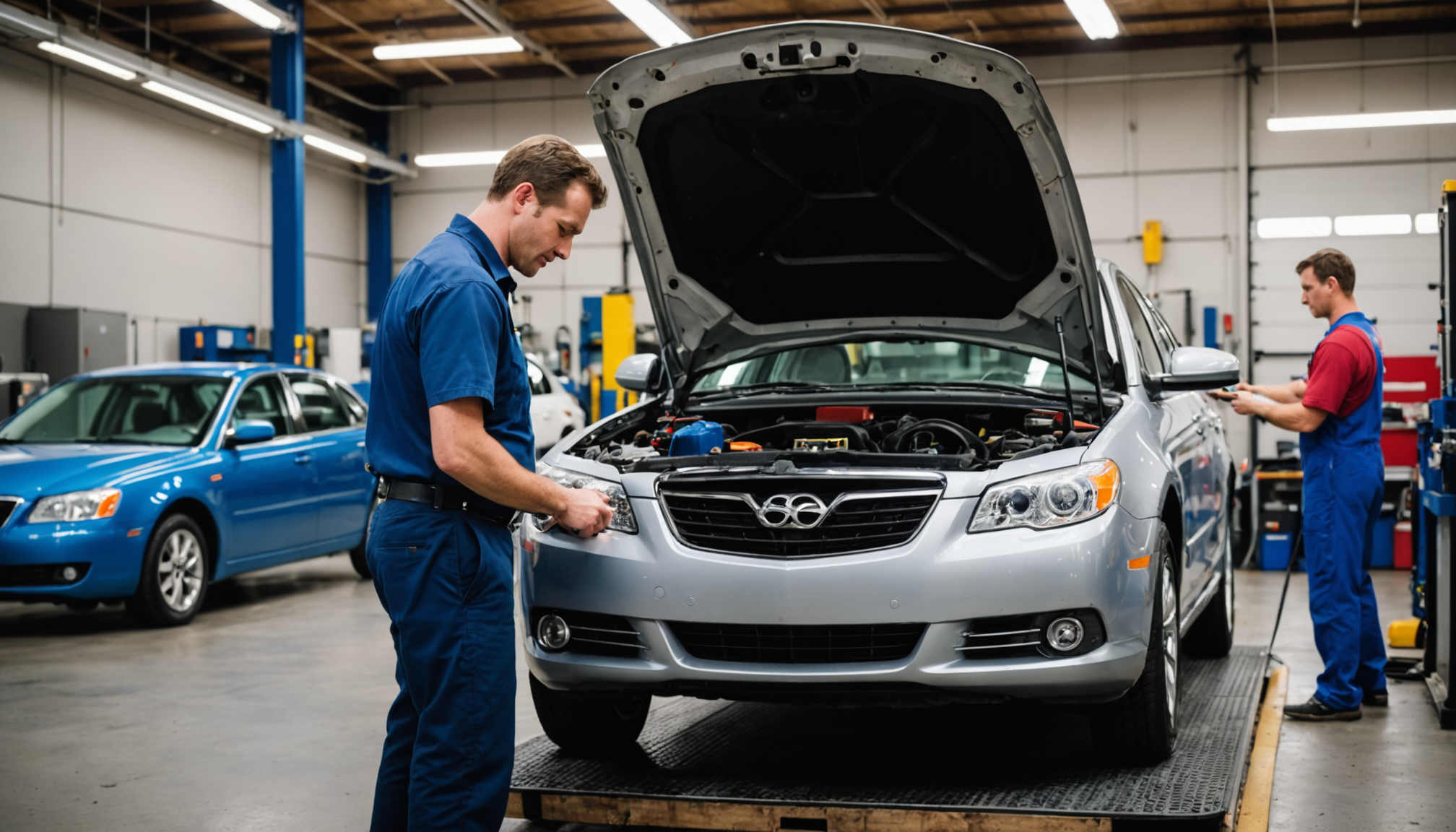
How to Know When Your Car's AC Needs Service (Before the Raleigh Summer Heat Hits)
If you've ever been stuck in bumper-to-bumper traffic on I-440 in July with warm air blowing from your vents, you already know — a failing car AC isn't just uncomfortable, it's miserable. Raleigh summers are no joke, with temperatures regularly climbing into the mid-90s and humidity that makes it feel even hotter.
The good news? Your car's air conditioning system almost always gives you warning signs before it completely fails. Catching those signs early means a quicker fix, a lower repair bill, and — most importantly — a cool, comfortable drive all summer long.
Here's what to look for, and what it might mean for your vehicle.
---
1. Weak Airflow From the Vents
You crank the AC to full blast and... it's more of a gentle breeze than the Arctic gust you were hoping for. Weak airflow is one of the most common early warning signs of AC trouble.
What it could mean:
- A clogged or worn cabin air filter (this is often the simplest fix)
- A failing blower motor
- Leaking or damaged ductwork inside the dash
The cabin air filter is something many drivers forget entirely — it's recommended to replace it every 15,000–25,000 miles, but we see plenty of cars come in where it's never been changed. A clogged filter alone can dramatically reduce airflow.
---
2. Air That's Cool But Not Cold
Maybe the air coming out feels sort of cool, but nowhere near the crisp, cold air you remember from last summer. This is a classic sign that your refrigerant level is low.
Here's the thing: refrigerant doesn't "run out" the way gas does. If your system is low on refrigerant, it means there's a leak somewhere. Simply recharging the system without finding and fixing the leak is a short-term patch — the refrigerant will just escape again.
A proper AC service includes checking for leaks with a dye test or electronic leak detector, not just topping off the refrigerant. Make sure wherever you take your car, they're doing the job right.
---
3. Strange Smells When the AC Is Running
Does turning on the AC greet you with a musty, mildewy smell? Or maybe something more chemical and sharp?
- Musty/moldy smell: This typically means mold or mildew has built up on the evaporator coil, which sits inside the dash and can collect moisture. It's not just unpleasant — you're essentially blowing mold spores into the cabin.
- Chemical or sweet smell: This can indicate a refrigerant leak, which is worth addressing promptly.
A good AC service can include an evaporator cleaning and cabin deodorizing treatment to get rid of that stale smell for good.
---
4. Strange Noises When the AC Kicks On
Your AC system shouldn't make a lot of noise. If you notice any of these sounds, pay attention:
- Rattling or banging: Could indicate debris caught in the blower fan, or a failing compressor
- Squealing or grinding: Often points to a worn compressor clutch or belt issue
- Clicking when the compressor cycles: Some clicking is normal, but loud or frequent clicking can mean the compressor is struggling
The compressor is the most expensive component in your AC system, so catching a problem early — before it fails completely — can save you a significant amount of money.
---
5. Water Stains or Moisture Inside the Cabin
A small amount of condensation dripping from under your car on a hot day is completely normal — that's just the AC doing its job. But if you're noticing water inside your car, especially near the floorboards or dashboard, something is off.
This usually points to a clogged condensate drain line. When that line gets blocked, moisture backs up and ends up inside the vehicle instead of draining out underneath. Beyond the discomfort of wet floors, excess moisture inside the cabin can lead to mold growth and long-term interior damage.
---
6. The AC Works Sometimes… But Not Always
Intermittent AC is one of the trickier symptoms to diagnose, but it's a clear sign something needs attention. Maybe it blows cold in the morning but warm by afternoon, or it works fine for a while and then suddenly stops.
This could be related to:
- An electrical issue (like a failing relay or pressure switch)
- A refrigerant level that's borderline low
- A compressor clutch that's starting to fail
Intermittent problems have a way of becoming full failures at the worst possible moment — like during a heat advisory in August. Don't wait.
---
When Should You Schedule an AC Check?
In 2026, with Raleigh's spring starting earlier and summer heat lingering well into September, the best time to have your AC inspected is before you need it — ideally in early spring, before the hot weather arrives.
Even if you're not noticing any of the symptoms above, a quick AC performance check at your next oil change is a smart move. Technicians can check refrigerant pressure, inspect belts and hoses, and test the compressor — catching small issues before they turn into expensive repairs.
---
What a Professional AC Service Includes
At Precision Auto, our AC service includes:
- Refrigerant level check and leak inspection
- Compressor and clutch inspection
- Belt and hose condition check
- Cabin air filter inspection and replacement (if needed)
- System performance test (measuring actual air output temperature)
- Upfront written estimate before any work begins
All work is performed by ASE-certified technicians and backed by our 24-month/24,000-mile warranty — so you can drive with confidence.
---
Don't Wait Until You're Sweating
Your car's AC is one of those systems that's easy to ignore until it fails completely. But a little preventive attention in the spring can mean the difference between a comfortable summer and a very hot, very frustrating one.
If you've noticed any of the warning signs above — or it's just been a while since your AC was looked at — give us a call or stop by our shop in Raleigh. We'll get your system checked out, give you a straight answer about what it needs, and get you back on the road cool and comfortable before the heat really hits.
Precision Auto — Family-owned in Raleigh since 2011. Honest service you can count on.